0 Comments

Need to know how to remove grease stains? We’ve all been there: that split second of horror when a rogue french fry or a drip of salad dressing lands right on your favorite shirt. It’s that sinking feeling, the one that makes you think, “Well, this is ruined forever.”
But before you banish that blouse to the back of the closet, I’ve got a little secret for you. Getting rid of pesky grease stains is surprisingly simple if you just act fast. The key is a simple three-part process: blot away the excess, soak up the oil with an absorbent powder (like baking soda), and then treat it with a grease-fighting dish soap before it ever sees the washing machine.
This little “blot, absorb, treat” routine is my go-to for almost any oily mess, and I’ve relied on it for years to save clothes I thought were goners.
My Secret Weapon for Pesky Grease Stains
It’s not about fancy, expensive stain removers or complicated chemistry. My practically foolproof method is all about using smart, effective, and simple things you already have in your kitchen.
The infographic below gives you a quick visual of my core strategy for tackling a grease stain the moment it happens.
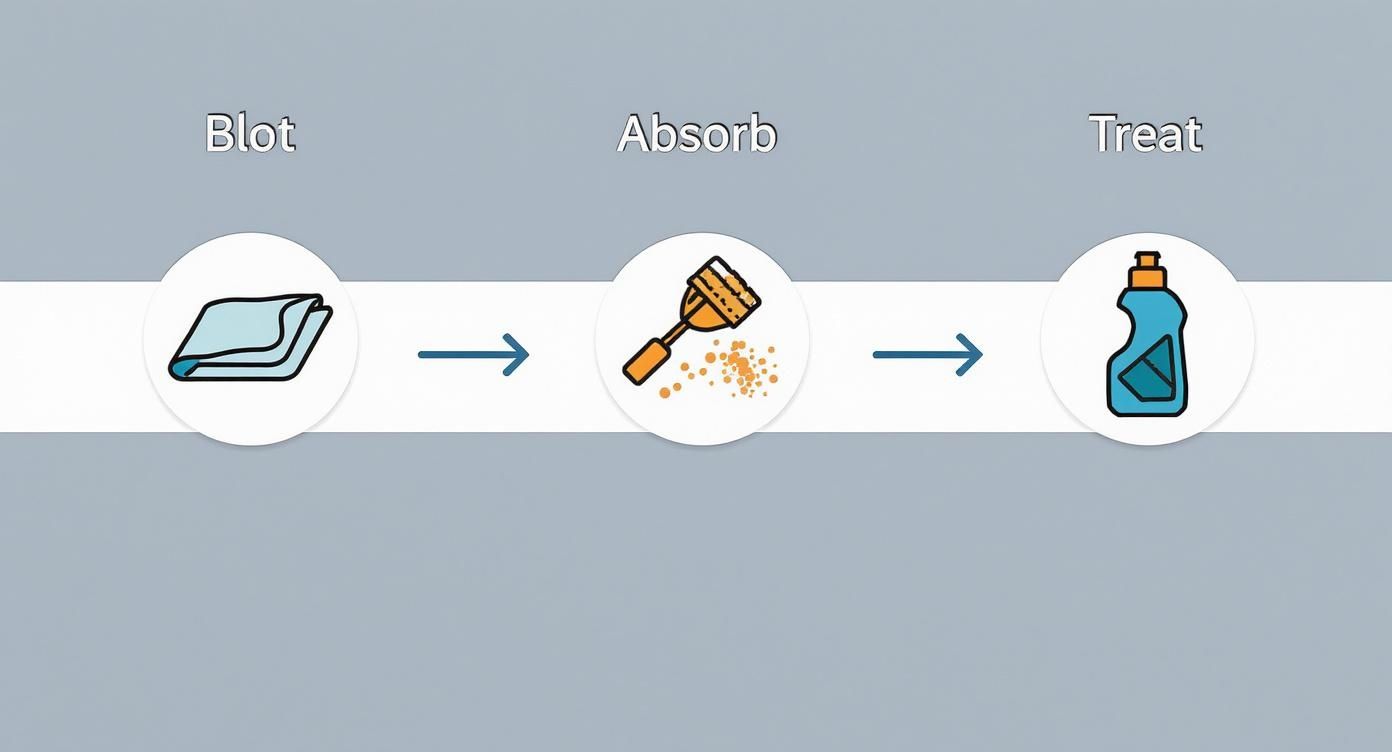
As you can see, it really boils down to three easy phases. Each one is designed to fight the grease before it can permanently settle into the fabric fibers.
Here’s a quick summary of my immediate action plan for fresh grease spills.
My Quick 3-Step Grease Attack Plan
| Step | What To Do | Why It Works |
|---|---|---|
| 1. Blot Gently | Use a clean cloth or paper towel to dab (don’t rub!) the fresh stain. Putting a piece of cardboard behind the stain can prevent it going through to other side of the garment. | This lifts the excess surface oil away from the fabric, stopping it from spreading and soaking in deeper. |
| 2. Absorb the Oil | Cover the stain with a powder like baking soda, cornstarch, or even baby powder. Let it sit for at least 30 minutes. | These powders are incredibly absorbent and work like tiny sponges, pulling the grease out of the fabric fibers. |
| 3. Treat with Soap | Scrape off the powder and apply a drop of a strong, grease-cutting dish soap or Castile soap directly to the spot. Gently work it in. | The surfactants in dish soap are made to break down grease and oil, making it a powerful and inexpensive pre-treater. |
This immediate response is what makes all the difference in preventing a stain from setting.

The Power of Acting Quickly
If there’s one thing to take away from this, it’s that time is everything. A fresh grease stain is a minor inconvenience; a set-in one that’s been through a hot dryer is a laundry nightmare.
My approach is focused on a few key actions:
- Containing the spread: Blotting is your first line of defense. It stops the oil from seeping further into the material.
- Lifting the grease out: This is where absorbent powders shine. They are fantastic for pulling that oil up and away from the fabric itself.
- Breaking it down: A good degreasing dish soap is the real hero here. It works on your clothes just like it does on a greasy pan!
I’ve always said that a little bit of know-how in the laundry room can save you so much money and frustration. Knowing how to handle a simple grease spill means you don’t have to throw away a favorite shirt.

The absolute star of this method is a good, strong dish soap. It’s specifically designed to break down grease, making it an amazing and affordable pre-treatment. You can learn more about the versatile cleaning power of Dawn dish soap here, and see all the other ways I use it around my house!
Now, let’s get that stain out together!
Your First Response to a Fresh Grease Stain
When it comes to grease stains, time is everything. I mean everything. The second that oily pizza drips on your shirt or a splash of salad dressing lands on your lap, the clock starts ticking! Acting fast is truly the difference between a stain that disappears and one that moves in for good.
More Ideas You'll Love

First things first: resist the powerful urge to rub the spot. I know it’s a natural instinct, but rubbing only grinds the oil deeper into the fabric’s fibers, making a small problem a whole lot bigger. Instead, you want to gently blot the area with a clean paper towel or a cloth. This simple move lifts away the excess grease sitting right on the surface before it has a chance to soak in and spread.

The Magic of Absorbent Powders
Once you’ve blotted up as much as you can, it’s time for the secret weapon—and I’ll bet you have it in your kitchen pantry right now. I’m talking about an absorbent powder. My personal favorites are cornstarch and baking soda, but in a pinch, baby powder or even plain table salt will do the trick!
Think of these fine powders as millions of tiny sponges. When you pile them onto a grease stain, they immediately get to work pulling the oil out of the fabric and soaking it up. This is such a critical step because grease is hydrophobic, which is just a fancy way of saying it repels water. You can’t just wash it out; you have to break down and lift away the oil first.
I’ll never forget the Thanksgiving my grandson spilled gravy all over his brand-new khaki pants. Everyone gasped, but I just calmly reached for the cornstarch. A generous dusting and a little patience saved the day, and his pants looked good as new after a quick wash!

My Technique for Applying Powders
Now, this isn’t about a delicate little sprinkle. You want to be generous! Completely cover the entire grease spot with a thick layer of your chosen powder. Don’t be shy here—you’re looking for a nice little mound sitting right on top of the stain.
Let the powder sit for at least 30 minutes, though an hour is even better if you have the time. You’ll often see the powder start to look a little clumpy or yellowish as it soaks up that stubborn oil. After it’s worked its magic, gently scrape or brush off the powder using an old toothbrush or the edge of a spoon.
This two-part response—blotting then absorbing—is your emergency plan for stopping a grease stain in its tracks. It’s the foundation for nearly every successful stain removal story. For more tips on tackling all sorts of messes, you can check out my general guide for how to remove stains from clothes.

Dish Soap to the Rescue
Alright, after you’ve used a powder to soak up the worst of the oily mess, it’s time for my secret weapon. This is the part of the process that really does the heavy lifting, and it involves something you already have right next to your kitchen sink: a good bottle of dish soap.
Think about it—dish soap is specifically made to slice through tough grease on your dishes. It turns out, that same grease-fighting power works wonders on fabric fibers, too. The special ingredients in the soap are designed to latch onto oil and lift it away, making it the perfect pre-treatment for these pesky stains.
Now, I will say that not all dish soaps are created equal for laundry duty. While most will do the job in a pinch, I always reach for Dawn dish soap. It’s a true powerhouse against grease, and in my experience, it’s the most reliable option out there.
More Ideas You'll Love

How to Use Dish Soap on a Stain
First things first, you only need a small drop of dish soap right on the stained area. Seriously, a little goes a long way here, so don’t go overboard and drench the fabric.
Next, you’ll want to gently work that soap into the fibers. The key is to be gentle enough that you don’t damage the fabric but firm enough to get the soap working. I have two go-to methods:
- Your Fingertips: The simplest way is to just use your finger to rub the soap into the stain. A gentle, circular motion is all it takes, and the natural warmth from your skin helps the soap penetrate the fibers.
- A Soft Toothbrush: For tougher fabrics like cotton or denim, I’ll grab an old, soft-bristled toothbrush. Lightly scrub the spot to work up a little lather. This helps the soap get deep down into the stain where it can really do its work.
Once the soap is worked in, let the garment sit for at least 15 to 30 minutes. This little bit of waiting time is crucial, as it gives the soap a chance to really break down the grease before it hits the wash.
Breaking down the oil before you wash the garment is the most important part of this whole process. It’s the pre-treatment that dismantles the grease so the washing machine can just flush it all away.
Other Household Stain-Fighting Heroes
While dish soap is my undisputed champion for grease, it’s not the only trick I have up my sleeve. Sometimes a really stubborn stain needs a different tactic, or maybe you just don’t have that trusty blue soap on hand.
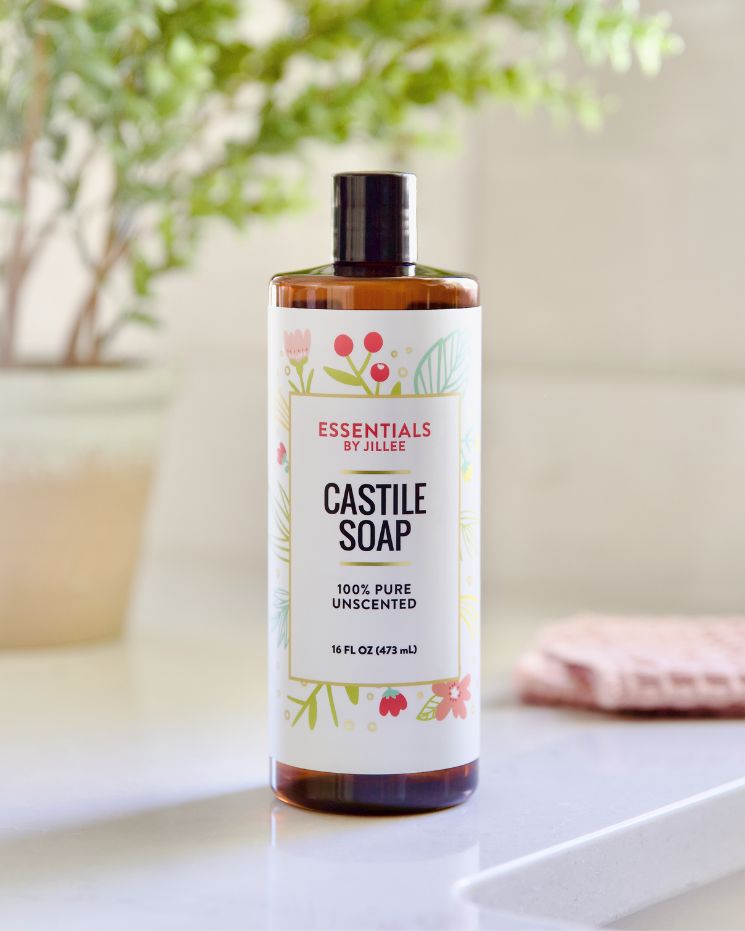
In those situations, a bit of Castile soap can work extremely well. Castile soap is highly effective for removing grease due to its unique composition. It is made from vegetable oils, which allow it to act as a natural surfactant. This means it can break down and lift away oils and fats, making it ideal for tackling stubborn grease stains.
The Right Way to Wash and Dry Out Grease
You’ve done the pre-treatment, and that pesky grease stain is looking much better. You might be tempted to just toss the garment into your regular laundry and call it a day, but hold on a minute! This next part is where a small mistake can set that stain in for good, and we’ve come too far to let that happen.
Getting the wash cycle right—and especially the drying process—is just as important as the first steps. Let’s get it done right.
Set Your Washing Machine for Success
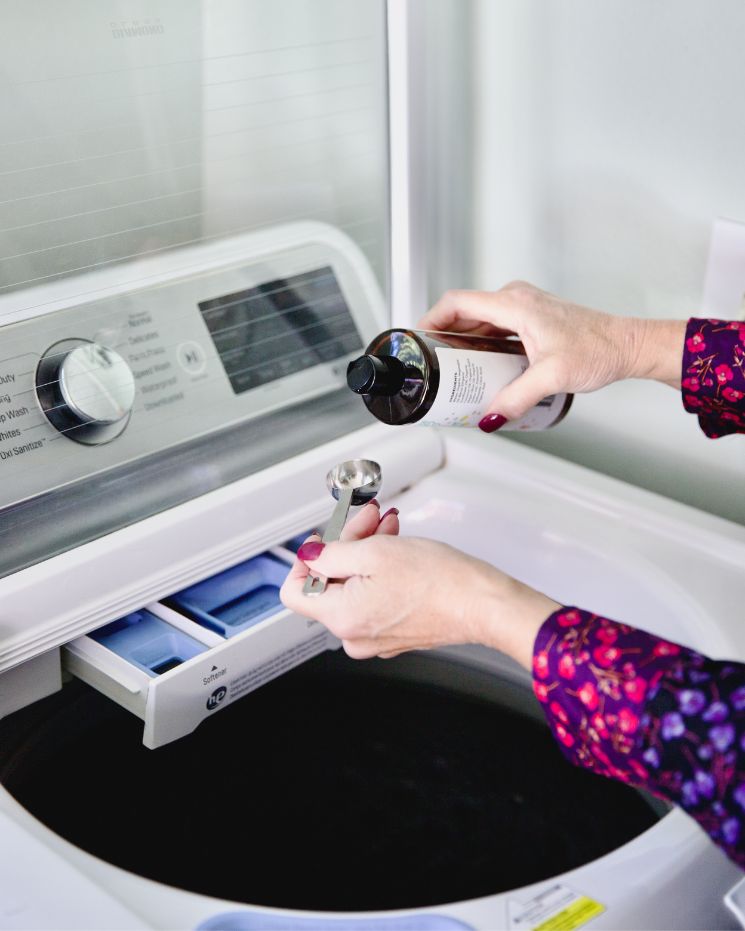
When you’re fighting grease, heat is your best friend. You’ll want to wash the stained item in the hottest water the fabric can safely handle. Hot water is a powerhouse when it comes to dissolving and washing away any remaining oily residue that the dish soap loosened up.
But how do you know what your fabric can handle? It’s all on that little care tag! Those symbols might look like a secret code, but they’re actually pretty simple.
- A tub with one dot means wash in cold water.
- A tub with two dots means warm water is okay.
- A tub with three or more dots is your green light for hot water!
If the tag is missing or you can’t read it, a good rule of thumb is to use hot water for sturdy fabrics like cotton and denim. For more delicate materials like synthetics or blends, it’s safer to stick to warm or cool water.

Give Your Wash an Extra Boost
For an extra bit of cleaning power, I sometimes like to add about a half-cup of white vinegar directly to the washing machine drum along with my detergent. Vinegar is a fantastic natural degreaser and fabric softener, and it helps give the laundry soap a little extra oomph to finish the job.
Honestly, simple and effective household staples are often all you need, and they can work just as well as store-bought removers.
The Most Important Rule of All
Okay, the wash cycle is finished. Now, I’m going to share the single most critical rule for getting grease stains out: NEVER, EVER put a grease-stained item in a hot dryer unless you are 100% certain the stain is gone.
The high heat of a machine dryer will essentially “cook” any remaining oil into the fabric fibers, making it nearly impossible to remove later. It’s the number one way to turn a temporary spot into a permanent problem.
Your best friend in this final stage is patience and a good old-fashioned air-dry. Hang the garment on a drying rack or a hanger, preferably near a window with some natural light.
Once the item is completely dry, inspect the spot carefully. Sometimes a faint stain is invisible when the fabric is wet but will reappear as it dries. If you see any trace of it left, don’t worry! Just repeat the pre-treatment and washing steps. It might take a second try, but it’s worth it to save your favorite clothes.
For even more helpful laundry advice, you can check out my top 25 smart laundry tips.
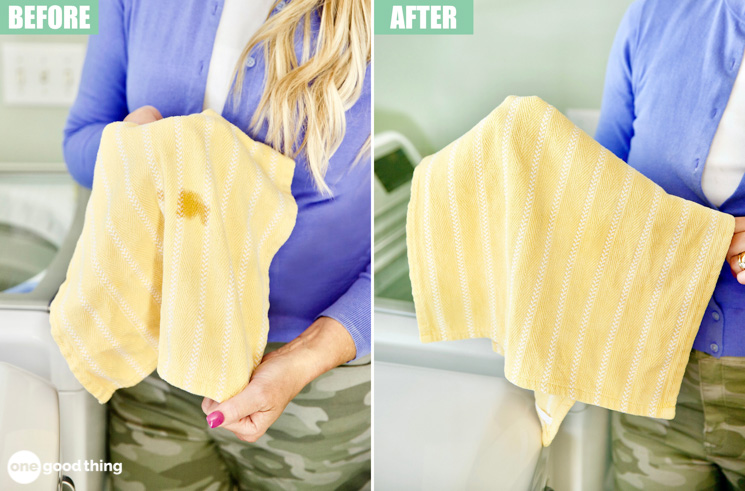
How to Remove Old Stains with Lemon Essential Oil
It couldn’t be easier to remove stains with lemon essential oil. You can simply apply a few drops directly to the stain and then toss the item in the wash! Sounds crazy, but yes, lemon essential oil is effective at removing grease stains due to its natural ability to break down grease and sticky residues. It can be applied directly to the stain or mixed with other cleaning agents for better results.
It’s perfect for removing stains that you never got around to pretreating because it can dissolve the dried-out residue and help eliminate any discoloration. Just make sure to get your clothing item in the wash ASAP because lemon oil can have a permanent yellowing effect if it’s left to sit for too long.

Removing Grease from Tricky Surfaces and Fabrics
Not every grease stain happens on a t-shirt you can just pop in the wash. What about that buttery handprint on your favorite armchair, or a splash of cooking oil on your silk blouse? When grease strikes something you can’t easily launder, don’t panic! I’ve been there, and I have some tried-and-true solutions for those trickier situations.
Let’s be honest, it’s those non-washable items that cause the most stress. But whether it’s upholstery, carpet, or even the concrete floor in your garage, there’s usually a way to tackle it.

Caring for Delicate Fabrics Like Silk
When you’re dealing with something delicate like silk, vigorous scrubbing is your enemy. The goal here is to be as gentle as possible to avoid damaging the beautiful, fine fibers of the fabric. I always start with a very light dusting of cornstarch or talcum powder directly on the grease spot.
Just like with cotton, you’ll want to let the powder sit for a few hours to absorb as much of the oil as possible. After that, gently brush it away with a very soft brush.
If a mark remains, you can mix a few drops of a gentle detergent with cool water, dab it on with a cloth, and then blot it clean with another damp cloth. If you’re nervous about washing delicates, learning the right way for how to wash silk can be a real game-changer.
The key takeaway for delicates is less is more. A gentle hand and simple ingredients are far better than harsh chemicals or aggressive scrubbing that could ruin the fabric.
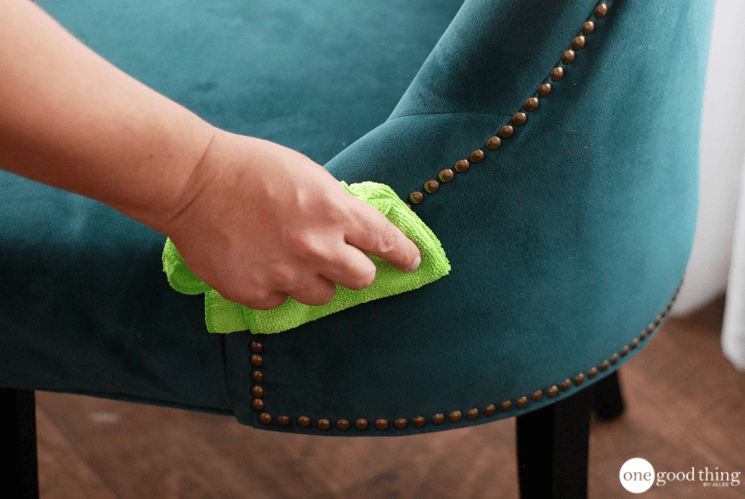
Tackling Upholstery and Carpet Stains
For furniture and carpets, you can’t exactly rinse them under a faucet, so the approach needs to be a little different. I had a greasy handprint on my favorite reading chair once, and I was so worried it was there for good!
What saved it was a simple mixture of a few drops of clear dish soap and warm water. I whipped it up to create just the suds, then applied only the suds to the stain with a clean cloth. After letting it sit for a few minutes, I blotted it with a separate, damp cloth until the soap was gone.
For more stubborn or larger stains on these surfaces, a solvent-based upholstery cleaner might be necessary. Just make sure to:
- Test it first: Always apply a small amount to a hidden spot (like the back of a couch skirt) to ensure it doesn’t discolor the fabric.
- Blot, don’t rub: Use a clean, white cloth to dab the cleaner on the stain, working from the outside in to prevent it from spreading.
- Ventilate the area: Solvents can have strong fumes, so open a window to let some fresh air in while you work.
When you’re facing stains on more delicate home surfaces, like vintage furniture, it’s wise to use methods that won’t cause damage. For example, there are many safe DIY cleaning techniques for old hardwood floors that can be adapted for other sensitive materials around the house.
My Answers to Your Top Grease Stain Questions
Over the years, I’ve tackled just about every kind of grease stain imaginable, and I get so many questions about it. I totally get it—it’s one of those pesky little household problems we all run into! So, I’ve gathered up some of the most common questions that land in my inbox to answer for you here.
Can I Remove a Grease Stain That Has Already Dried?
This is the big one, isn’t it? That moment of dread when you pull a favorite shirt from the dryer and see a dark spot you missed. The good news is, all is not lost! It just takes a bit more elbow grease.
When a greasy garment goes through a hot dryer, the heat essentially “cooks” the oil into the fabric fibers. This makes it much tougher to lift out, but not impossible.
My go-to method for a set-in stain is to go back to a quality, grease-cutting dish soap or Castile Soap. Apply it generously, really work it in there with a soft brush, and let it sit for at least a few hours. Honestly, overnight is even better! Then, rewash it in the warmest water the fabric can safely handle.
The most important thing to remember with a set-in stain is patience. You will likely need to repeat the treatment and wash cycle two or three times, but I’ve saved many “ruined” items this way. Don’t give up after the first try!
Does This Method Work on Old Grease Stains?
Yes, it certainly can! You just need to give that dish soap some extra time to work its magic on an old, forgotten stain.
Start by applying the dish soap directly to the dry fabric. Really work it into the stain with your fingers or an old soft toothbrush, making sure you saturate the entire spot.
Let it sit for at least an hour, but for a really stubborn old stain, longer is definitely better. This gives the soap time to penetrate deep into the fibers and start breaking down that old oil before it ever hits the water.
Another trick for old stains is to apply some lemon essential oil, then launder.
What Is the Best Homemade Grease Stain Remover?
For me, the simplest and most effective homemade solution is the powerful duo of baking soda and a quality degreasing dish soap. It’s not fancy, but it just works, time and time again.
It’s a fantastic one-two punch:
Baking soda is brilliant at absorbing and pulling the bulk of the fresh oil out of the fabric first.
Dish soap follows up to break down any greasy residue that’s left behind.
If you like having a pre-treater spray on hand, you can mix equal parts white vinegar and water with just a few drops of dish soap in a spray bottle. It’s a great, gentle option for spritzing on stains right before you toss them in the laundry.
Can Hairspray Really Remove Grease Stains?
Ah, this is one of those old-school remedies you hear about, and there is a little bit of truth to it! Back in the day, hairsprays often contained alcohol and other solvents that could dissolve oil.
However, I usually advise against this method now. Modern hairspray formulas are very different; they’re packed with polymers and conditioners that can leave their own sticky residue or even create a new, different kind of stain.
I consider it a last-resort option. If you’re really in a bind and decide to try it, please test it on a hidden seam first to see what it does to your specific fabric.
What’s your best way to remove grease stains?